
Projects & Circuits
From the mainland to the Bijagós archipelago
Fundação Kassumay develops community ecotourism projects and circuits across three major regions of Guinea-Bissau: North, South, and the Bijagós Archipelago.
North Circuit
Bijagós Archipelago
Cacheu and São Domingos region
North Circuit
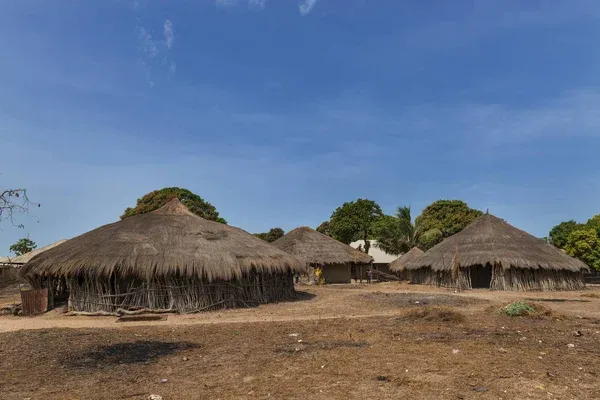
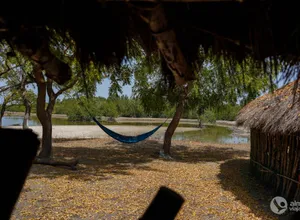
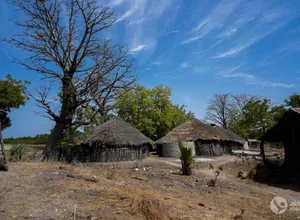
In the north of the country, between the Cacheu river and the Senegalese border, lie traditional villages, extensive mangroves and a rich cultural heritage that remains little visited. We work with communities across this region to develop a form of village tourism that preserves local ways of life.
- Elia
- A traditional village that preserves agricultural and communal practices passed down through generations, now open to genuine village tourism.
- Bolol
- A small rural community where visitors can share in the daily life of local families and learn traditional subsistence techniques.
- Varela
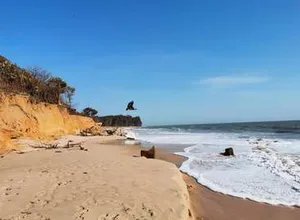
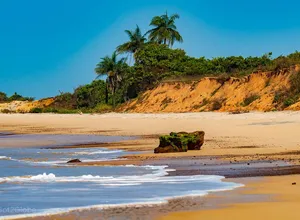
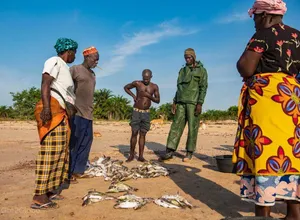
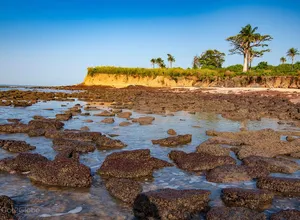
- An extensive beach marked by eroding laterite cliffs, natural tidepools among the rocks, and an active fishing community that lives off artisanal fishing.
- Djobel
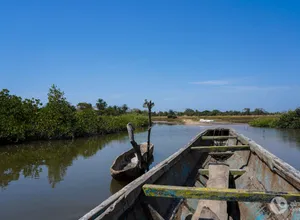
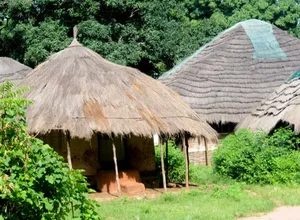
- A village neighbouring Elalab, with traditional architecture and access to the mangroves and channels that define the Cacheu river landscape.
- Eramé
- A rural community at the country's northern edge, close to the Senegalese border, representative of the village tourism the Foundation seeks to develop in the region.
Boé and the inland National Parks
South Circuit
To the south and inland, Guinea-Bissau holds some of West Africa's best-preserved ecosystems — dense forests, waterfalls and lagoons that sustain unique biodiversity.
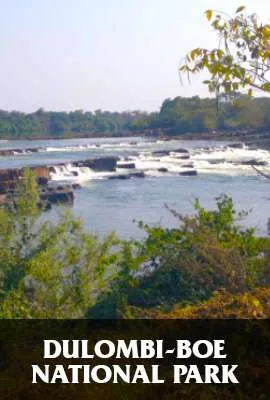
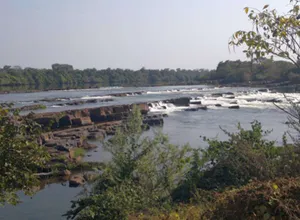
- Boé
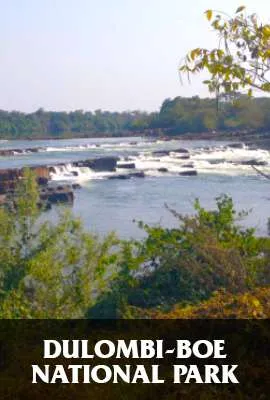
- An inland region with waterfalls, river rapids and wildlife — a territory of trails guided by local communities and forest rangers.
UNESCO Biosphere Reserve
Bijagós Archipelago
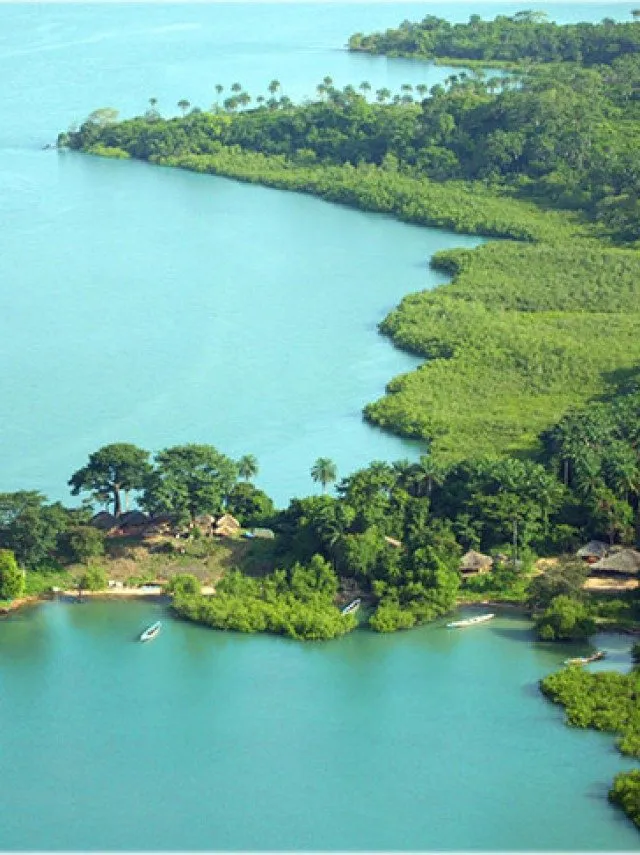
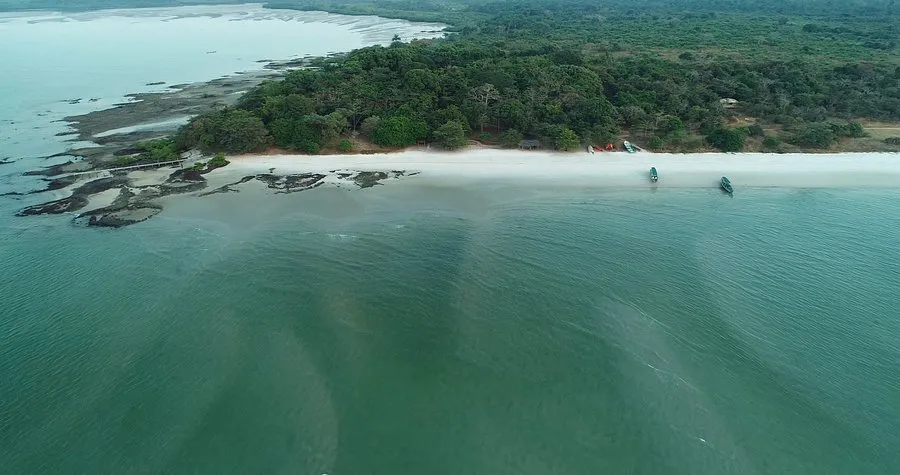
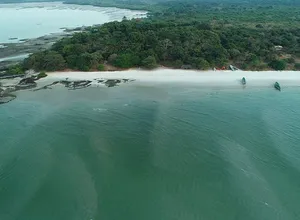
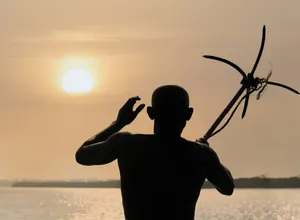
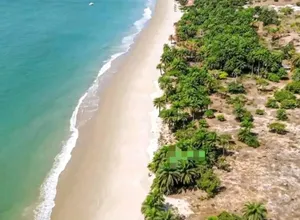
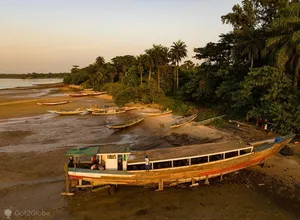
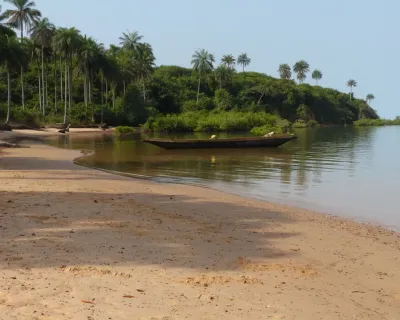
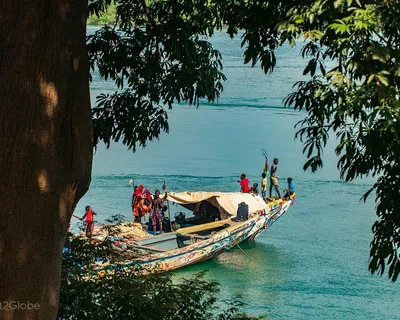
The Bijagós archipelago is made up of more than eighty islands and islets, classified as a UNESCO Biosphere Reserve. Each island offers a window into one of the region's last great natural and cultural sanctuaries.
- Orango
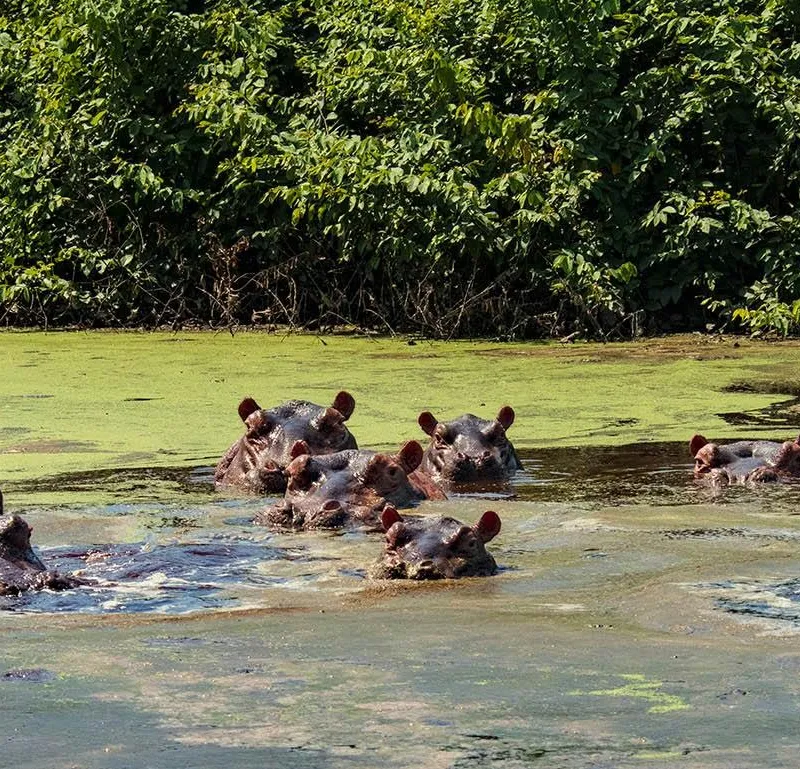
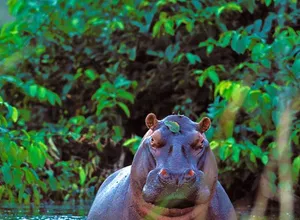
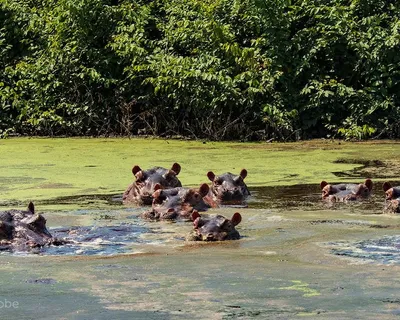
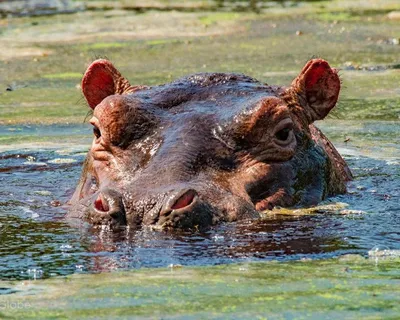
- A National Park that protects the Bijagós' rare saltwater hippopotamus population, across a mosaic of lagoons, beaches and mangroves.
- Bruce
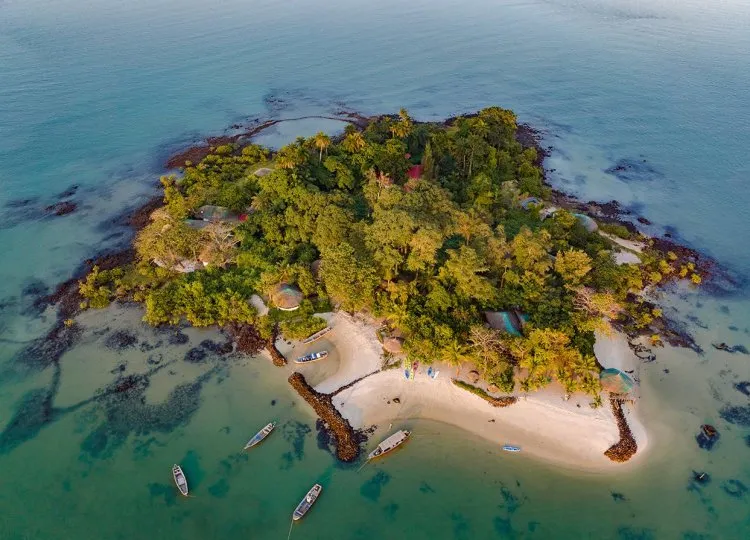
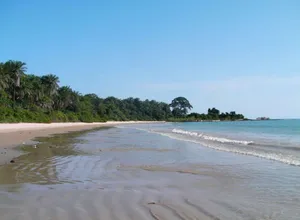
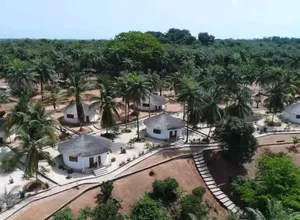
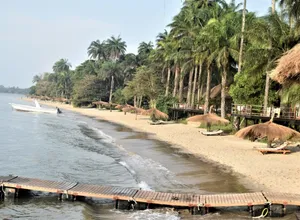
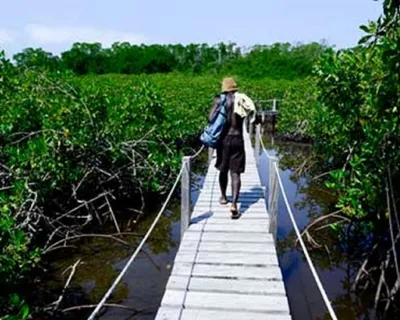
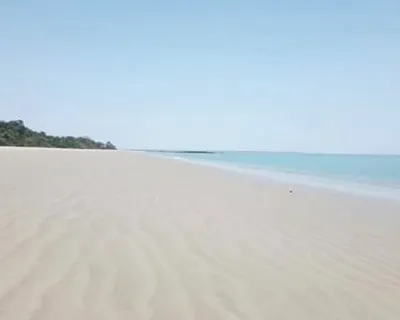
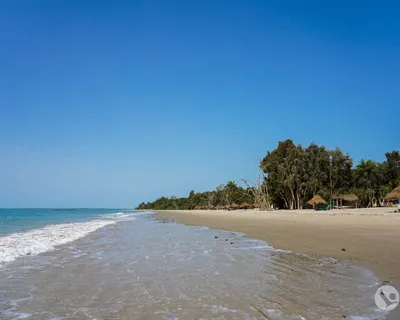
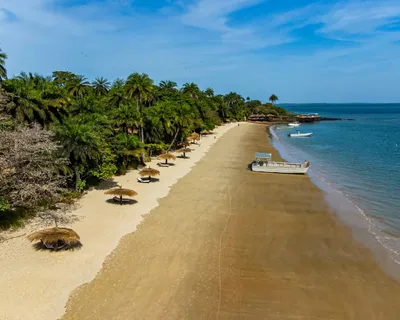
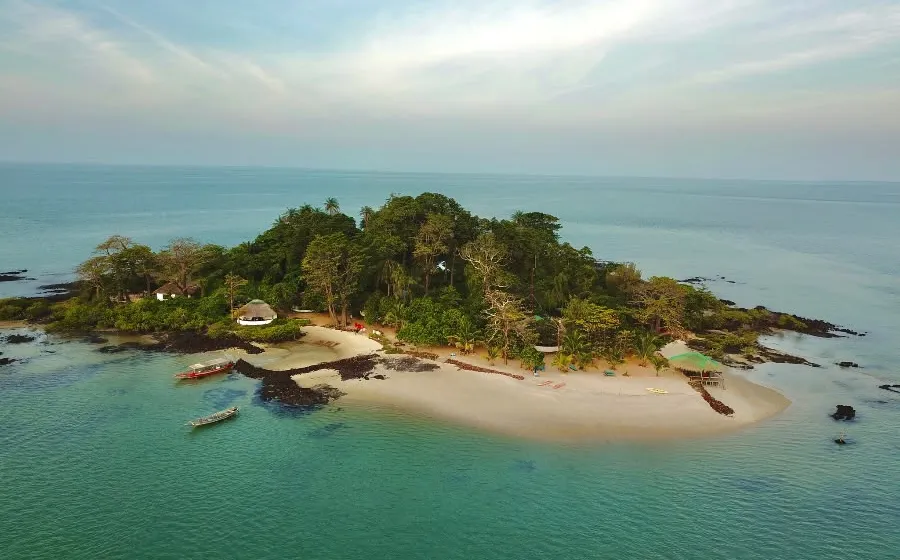
- An island of white-sand beaches, ecolodges and beachfront cottages, surrounded by preserved coastal forest.
- Canhabaque
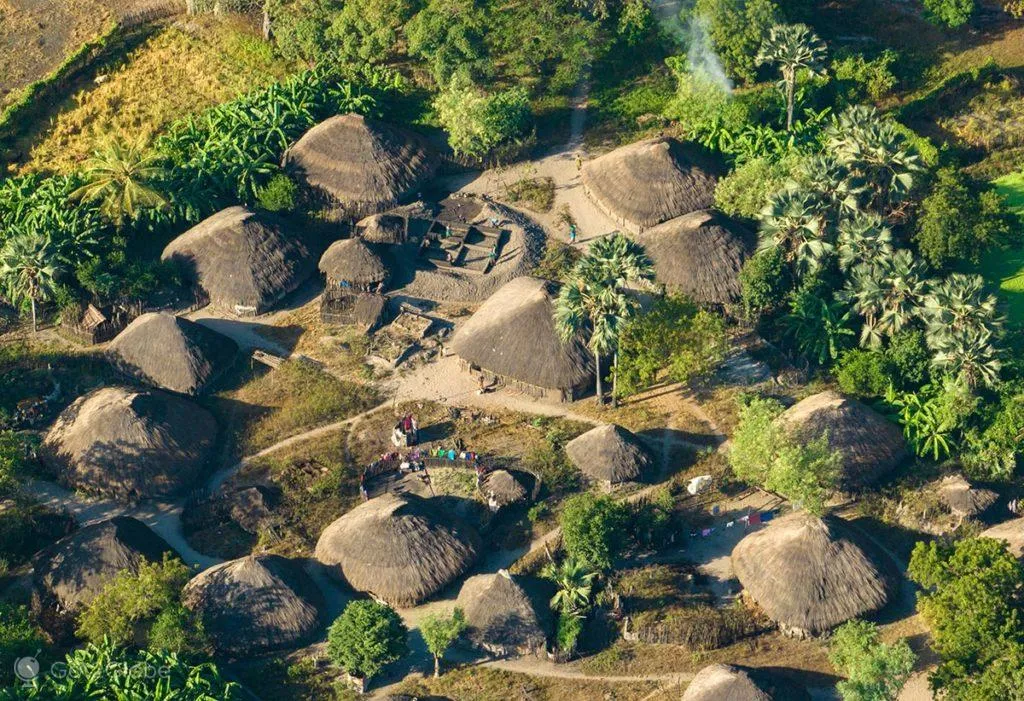
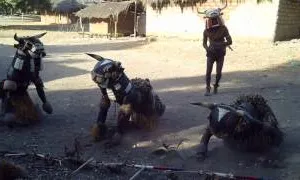
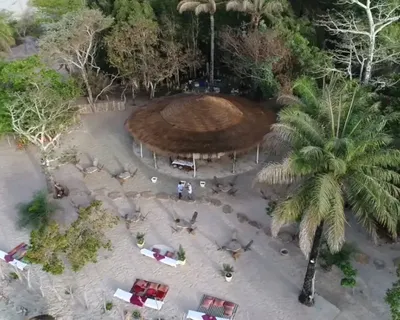
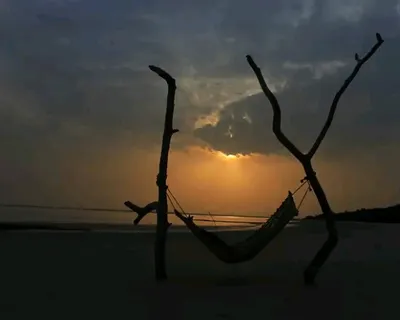
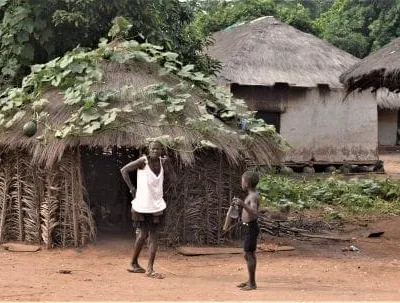
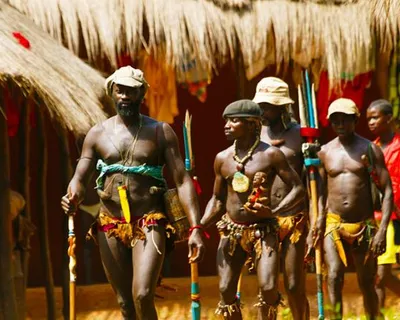
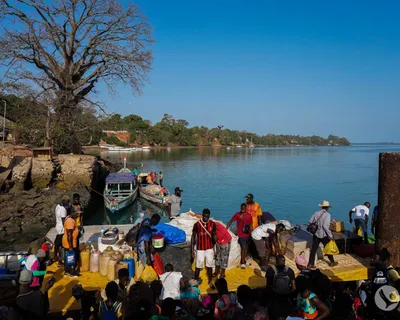
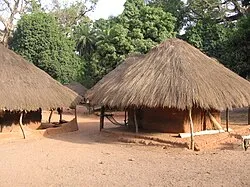
- Known as the cultural heart of the Bijagós, with villages of banana-leaf and mudbrick houses and traditional ceremonies still very present in community life.
- Carache
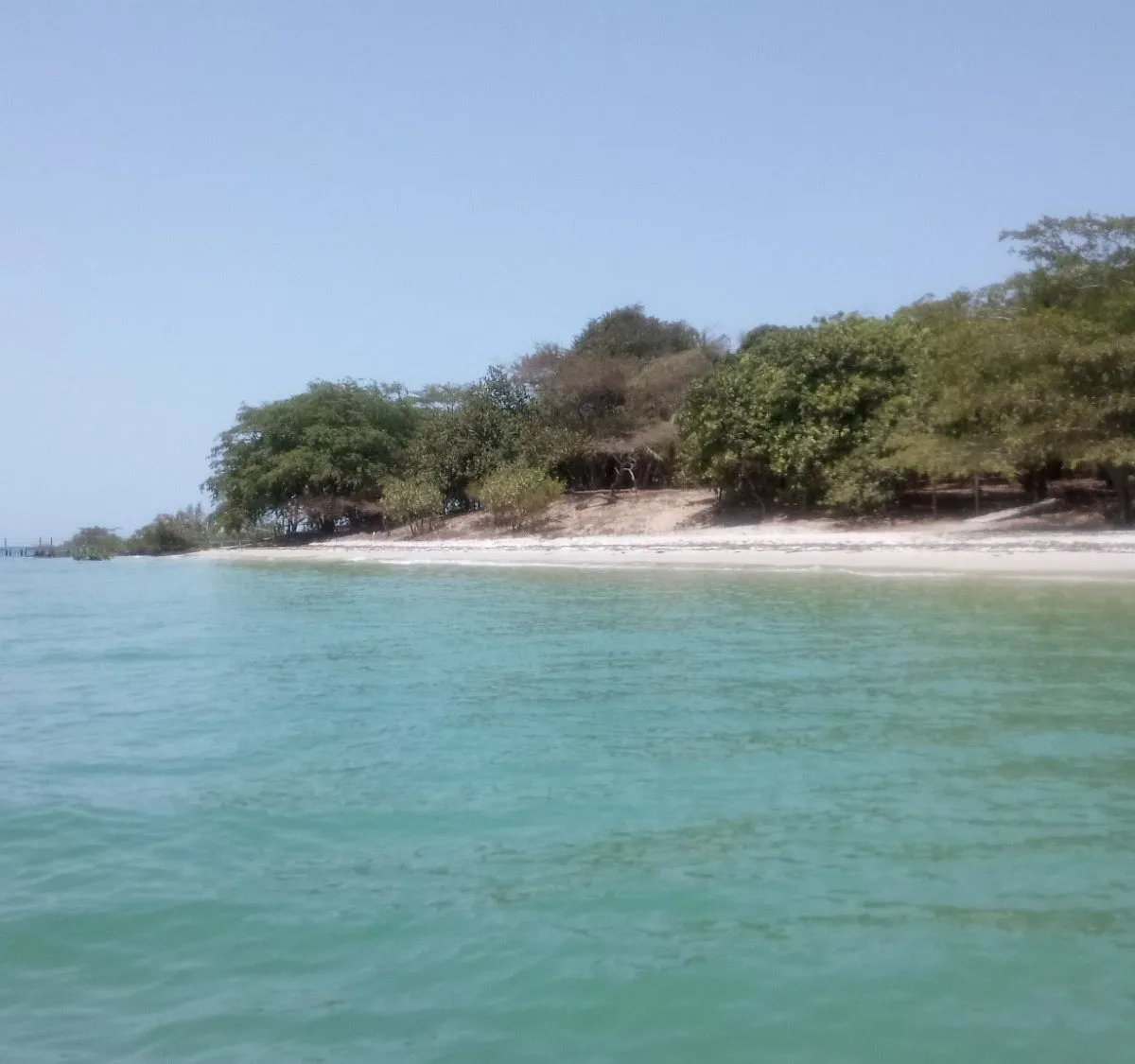
- An islet of the archipelago that forms part of the circuits between communities, contributing to the Bijagós' network of community tourism destinations.
- Bolama
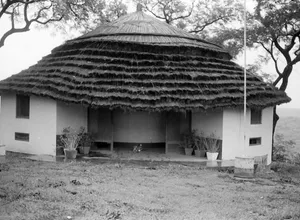
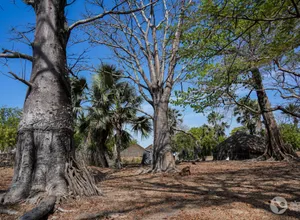
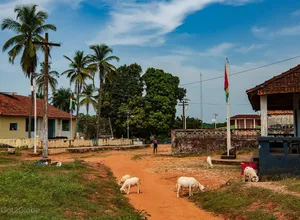
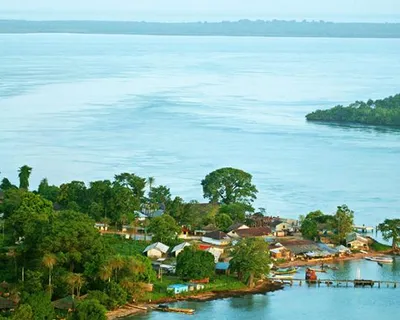
- Guinea-Bissau's former colonial capital, with a historic architectural heritage the Foundation seeks to celebrate as part of the archipelago's cultural offering.
UNESCO Biosphere Reserve
Bijagós Archipelago
Orango
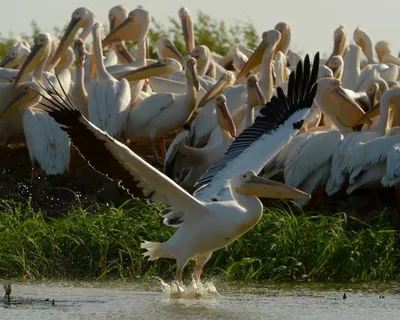
Bruce
Canhabaque
Bolama
Parks & Protected Areas
Cantanhez and Cufada Lagoon
Beyond the numbered circuits, two protected territories deserve their own spotlight for their ecological importance: the Cantanhez forest in the south, and Cufada Lagoon, near Buba.
Cantanhez Forest
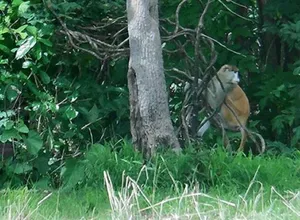
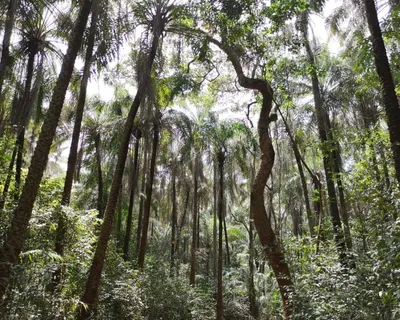
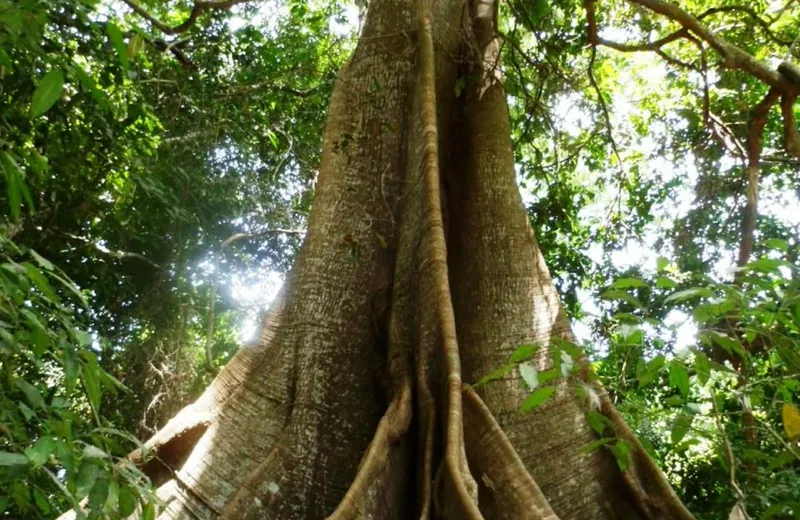
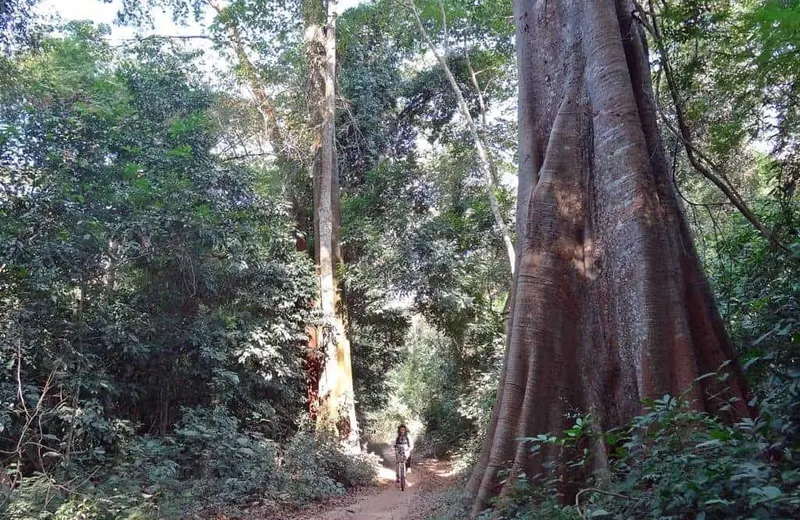
A chimpanzee sanctuary and one of the last great preserved tropical forests in Guinea-Bissau, with guided trails through centuries-old buttress-root trees and wildlife observation accompanied by community guides.
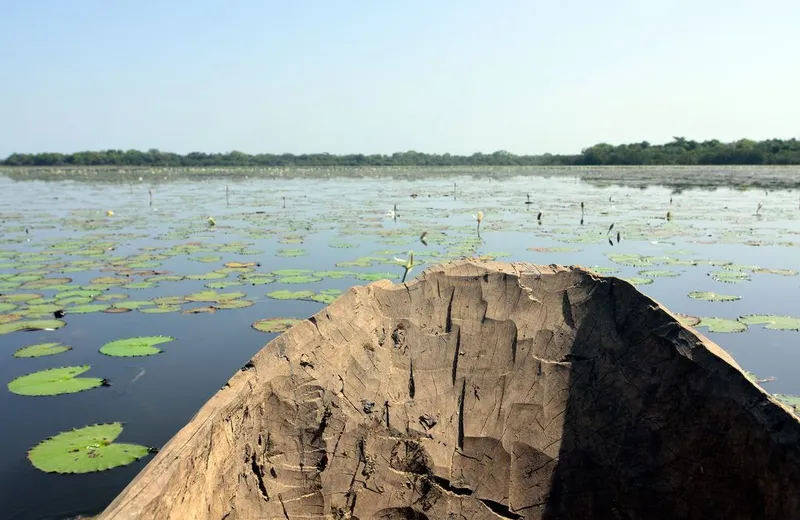
Cufada Lagoon (Buba)
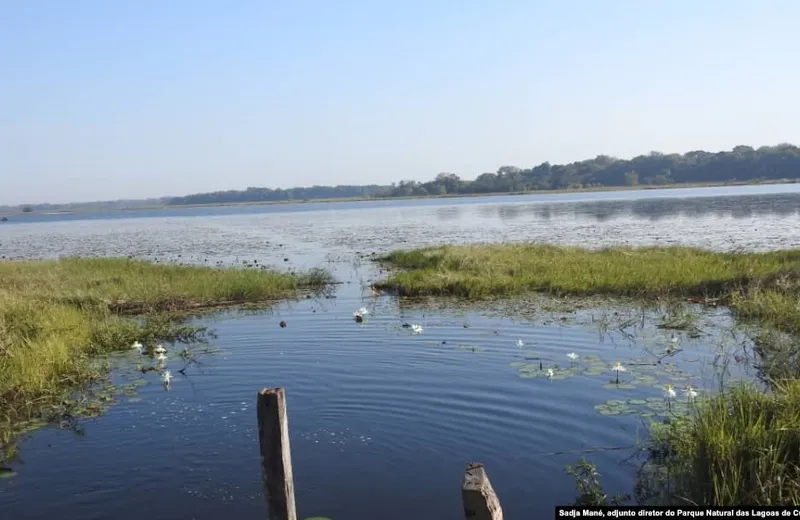
A refuge of aquatic biodiversity in the south of the country, with canoe routes among water lilies and a lake landscape that sustains local fishing and nature tourism.
Bijagós Heritage
Caravela Island
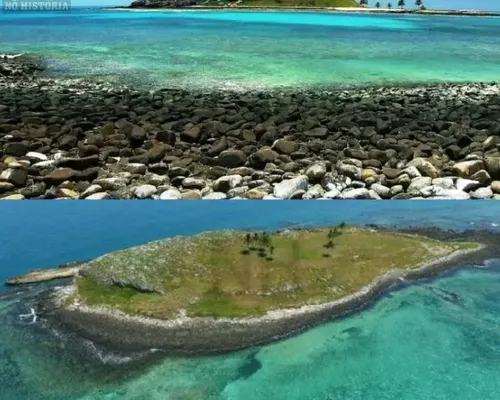
Caravela is one of the islands of the Bijagós archipelago, part of the UNESCO Biosphere Reserve. Its traditional village, the turquoise waters surrounding its islets and reefs, and its preserved coastal landscape make it one of the territories Fundação Kassumay seeks to celebrate through responsible cultural and ecological tourism, built together with the local community.
Want to experience these territories?
Our circuits are built in partnership with responsible tour operators and local communities.